
What Is Dysphagia? Understanding Swallowing Difficulties
Dysphagia is the medical term for difficulty swallowing, a condition that can affect a person’s ability to eat and drink safely. While it is commonly associated with aging and neurological conditions, dysphagia can occur for many different reasons. Understanding the signs, causes, and treatment options can help individuals and caregivers take steps toward safer, more enjoyable mealtimes.
Share this post
Swallowing is something most of us do automatically. Whether we’re drinking water, enjoying a meal, or simply swallowing saliva, the process happens hundreds of times each day without much thought. But for millions of people, swallowing can become difficult, uncomfortable, or even dangerous.
This condition is known as dysphagia, the medical term for difficulty swallowing.
Dysphagia affects people of all ages, but it is especially common among older adults and individuals living with certain neurological or medical conditions. Understanding the causes, symptoms, and treatment options can help individuals and caregivers recognize the signs early and seek appropriate support.
What Is Dysphagia?
Dysphagia occurs when there is a problem with the muscles, nerves, or structures involved in swallowing. A normal swallow requires precise coordination between the mouth, throat, and esophagus. When any part of this process is disrupted, food or liquids may not move safely from the mouth to the stomach.
For some people, dysphagia may cause mild discomfort or difficulty swallowing certain foods. For others, it can significantly impact nutrition, hydration, and overall quality of life.
In more serious cases, food or liquid can enter the airway instead of the esophagus. This is called aspiration, and it can increase the risk of choking or developing aspiration pneumonia, a potentially serious lung infection.
What Causes Dysphagia?
Dysphagia can develop for many different reasons. Some causes are temporary, while others are related to progressive medical conditions.
Common causes include:
- Stroke
- Parkinson’s disease
- Amyotrophic lateral sclerosis (ALS)
- Dementia and Alzheimer’s disease
- Multiple sclerosis (MS)
- Traumatic brain injury
- Head and neck cancer
- Radiation treatment affecting the throat or mouth
- Gastroesophageal reflux disease (GERD)
- Aging-related muscle weakness
Neurological conditions are among the most common causes because swallowing relies heavily on communication between the brain and muscles. When that communication is disrupted, swallowing can become less coordinated and less effective.
Common Signs and Symptoms of Dysphagia
The symptoms of dysphagia can vary from person to person. Some individuals experience obvious swallowing difficulties, while others may have more subtle signs that develop gradually over time.
Common symptoms include:
- Coughing while eating or drinking
- Choking episodes during meals
- Frequent throat clearing
- Feeling like food is stuck in the throat or chest
- Difficulty chewing or moving food around the mouth
- Taking longer than usual to finish meals
- Wet or gurgly voice quality after swallowing
- Unexplained weight loss
- Dehydration
- Avoiding certain foods or food textures
- Recurrent respiratory infections or pneumonia
It’s important to note that some people experience silent aspiration, meaning food or liquid enters the airway without triggering a cough. This is one reason why professional evaluation is so important when swallowing difficulties are suspected.
How Is Dysphagia Diagnosed?
If dysphagia is suspected, a healthcare provider may refer the individual to a speech-language pathologist (SLP) who specializes in swallowing disorders.
The evaluation may include:
- A review of medical history and symptoms
- Observation of eating and drinking
- Assessment of oral motor function
- Instrumental swallowing studies, such as a Modified Barium Swallow Study (MBSS) or Fiberoptic Endoscopic Evaluation of Swallowing (FEES)
These assessments help determine the cause of the swallowing difficulty and identify strategies that can improve safety and comfort during meals.
Managing Dysphagia
Treatment for dysphagia depends on the underlying cause and severity of the condition. Many individuals benefit from a combination of swallowing therapy, dietary modifications, and mealtime strategies.
Recommendations may include:
- Swallowing exercises to strengthen muscles
- Changes in posture while eating
- Smaller bites and sips
- Slower eating pace
- Thickened liquids when appropriate
- Texture-modified foods designed for safer swallowing
Healthcare professionals often use the International Dysphagia Diet Standardisation Initiative (IDDSI) framework to recommend food and beverage textures that match an individual’s swallowing abilities.
Living Well with Dysphagia
A dysphagia diagnosis does not mean giving up enjoyable meals. With the right support, many people continue to eat safely while maintaining good nutrition and quality of life.
Caregivers, family members, speech-language pathologists, dietitians, and healthcare providers all play an important role in helping individuals manage dysphagia successfully. Proper nutrition, hydration, and meal enjoyment remain essential parts of overall health and well-being.
At Pureese, we believe that texture-modified foods should be both safe and satisfying. Our chef-crafted meals are designed to support individuals with swallowing difficulties while delivering the flavors, nutrition, and dignity everyone deserves at the table.
Because every person deserves a meal they can look forward to.
Subscribe to our Newsletter
Making mealtimes safer, easier, and more enjoyable. Sign up for dysphagia resources, caregiver tips, and Pureese updates!
Shop The Menu
-

ROAST CHICKEN
$14.95 – $18.95Price range: $14.95 through $18.95 Select options This product has multiple variants. The options may be chosen on the product page -
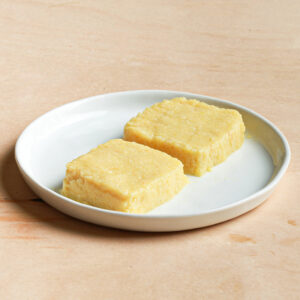
CORNBREAD
$7.95 – $14.98Price range: $7.95 through $14.98 Select options This product has multiple variants. The options may be chosen on the product page -

CHOCOLATE CAKE
$12.00 Select options This product has multiple variants. The options may be chosen on the product page